Commercial Waste in Finsbury Park
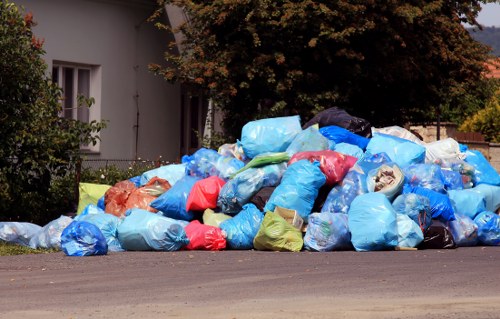
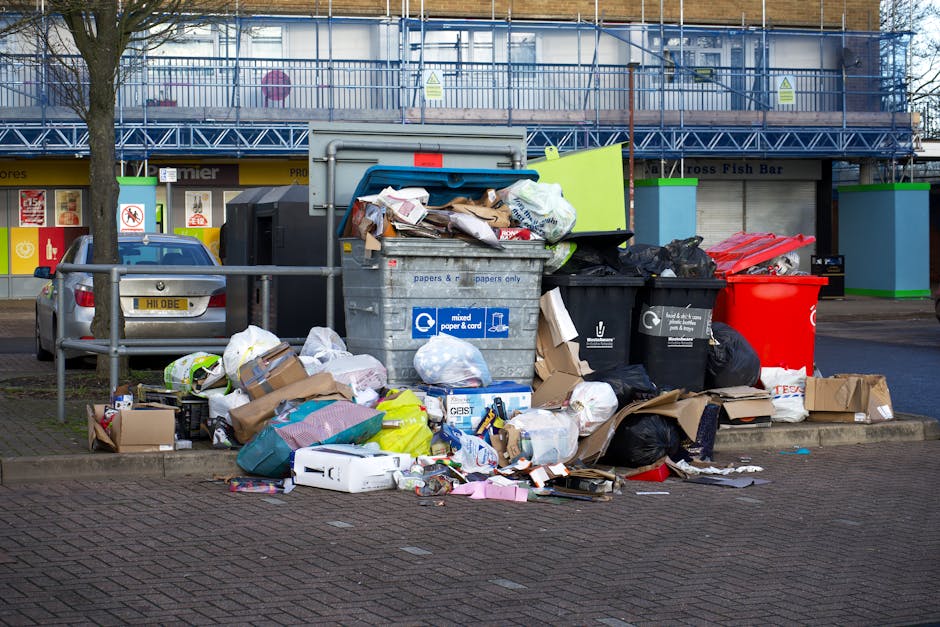
Commercial waste in Finsbury Park needs a practical, reliable approach that suits shops, offices, hospitality venues, studios and other premises with regular or one-off collections. We provide a structured waste removal service for businesses that want clear handling of mixed commercial rubbish, recyclable materials and bulky items without turning the process into a disruption. The focus is on keeping trade waste moving, separating material sensibly and arranging collections that fit the way a premises actually operates.
Our service covers common business waste streams, from everyday rubbish through to larger clearances that require a careful plan. Where items can be recycled or reused, that is considered as part of the collection. Where waste is unsuitable for routine disposal, it is handled through the appropriate route. If you need to request a quotation, you can start with the service details below and then get in touch with the specifics of your premises.
For customers comparing options, the most useful starting point is to match the type of waste with the right collection method. A small office may need simple clearance of desks, chairs and archived paper, while a retail unit may need packaging, shelving or end-of-line stock removed. Careful sorting helps keep the work efficient and supports better recovery of materials where that is possible.
Business Waste Removal for Day-to-Day Operations
Business waste removal is the core service for premises that produce mixed rubbish over time and need it taken away cleanly, not just dumped in a hurry. This usually includes bagged waste, cardboard, plastics, packaging, broken fixtures and items that no longer serve the workplace. The aim is to clear the site in a controlled way so staff can continue working while waste is removed from the right parts of the building.
For many organisations, the value lies in consistent handling rather than a one-size-fits-all approach. Some sites create steady small volumes, while others build up waste around stock changes, refurbishments or moves. If you are planning a larger clear-out, it can help to gather a basic list of what needs removing and note any access limits. That keeps the quotation process grounded in the actual work, not guesswork. Pricing and quotes can be discussed once the scope is clear, and you can also use plain text to ask for a quotation if you are still gathering information.
What this service typically covers
The service is suitable for a range of commercial premises, including offices, retail units, storage rooms, hospitality back-of-house areas and shared workspaces. It can cover loose waste, bags, recyclable cardboard, unwanted equipment, broken display pieces and general clutter that has accumulated over time. Where items need to be separated before removal, that can be reflected in the plan so the clearance stays orderly and predictable.
Office Waste and Workspace Clearances

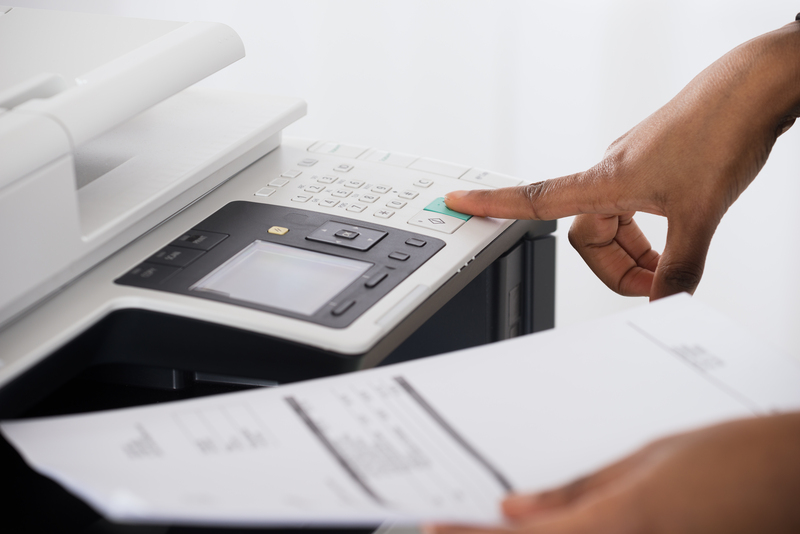
Office waste and workspace clearances are often about more than a few bin bags. Desks, chairs, pedestals, filing units, monitors, old small appliances and archived paper can all build up and need to leave the building together. The practical task is to clear the space without creating unnecessary interruption, while making sure reusable and recyclable items are handled with care. That matters in shared offices as well as private suites and small business units.
Where a workspace is changing use, the waste picture can be mixed. Some items may be suitable for direct removal, while others need to be separated for recycling or specialist handling. This is especially relevant when the clearance follows a move, a reconfiguration or an equipment refresh. If you want to discuss a larger office clear-out, the most useful information is the type of furniture, the volume involved and any loading restrictions. You can then ask for a quotation based on the actual scale of the work.
- Loose office rubbish and packaging
- Furniture and basic fittings
- Paper records and archive materials
- Small electrical items and peripherals
Furniture Disposal and Bulky Item Removal
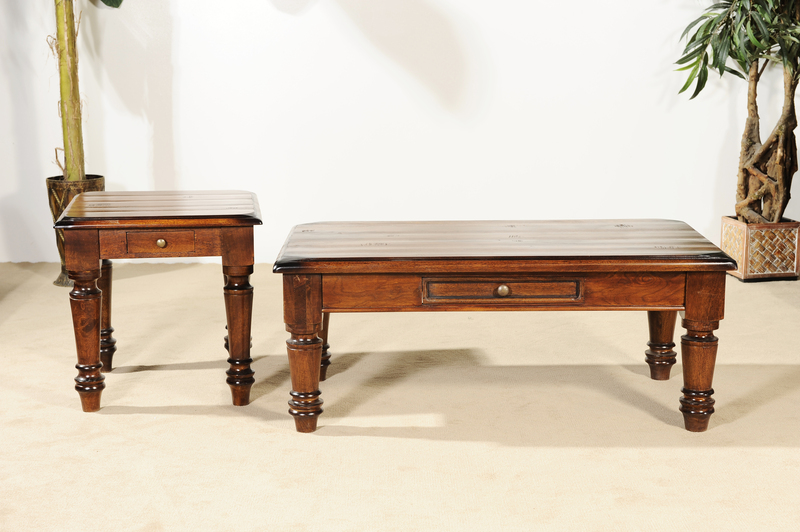
Furniture disposal is often part of a wider waste job, especially when business interiors are being refreshed or emptied. Items such as desks, tables, chairs, cabinets and shelving can be awkward to move and should be treated as a planned removal rather than an afterthought. We handle bulky items in a way that makes the clearance more manageable, particularly where access involves stairs, narrow corridors or shared entrances.
Not every item needs the same treatment. Some furniture can be broken down before removal, while other pieces are better taken away intact. The most efficient approach depends on the material, the condition of the item and how it fits with the rest of the load. If the furniture includes metal, timber, plastics or upholstery, that can influence sorting and disposal. A straightforward description of the items is usually enough to start the conversation, and it helps keep expectations realistic about what needs moving.
When planning a furniture collection, it is sensible to think about access and lifting as much as the item list itself. That is particularly true for premises above ground floor level or buildings with shared circulation areas. A clear description of the load helps us advise on the most suitable way to remove it and keep the job moving without unnecessary delays.
Fridge, Appliance and Specialist Item Disposal

Some commercial waste is straightforward, but appliances and specialist items need a more considered process. Fridge and appliance removal is useful for businesses replacing kitchen equipment, bar coolers, office appliances or back-of-house machines that are no longer wanted. These items are usually bulky, sometimes heavy and often awkward to manoeuvre, so they are better handled as part of an organised collection rather than left for general rubbish disposal.
Appliance removal can also be relevant where equipment has reached the end of its working life and must leave the premises before new stock or fittings arrive. Items may include under-counter fridges, freezers, microwaves, dishwashers, washing machines or similar units used in staff kitchens, hospitality areas and small commercial settings. If the item contains wiring, insulation or refrigerant-related components, it should be treated carefully and directed to the appropriate processing route. For a smoother quotation, tell us what the item is, where it is located and whether it must come out from a tight area.
Specialist disposal is best approached with plain facts and no assumptions. Two identical-looking appliances can still differ in size, weight and handling difficulty, and that changes the work involved. A short list of items plus any access detail is normally enough to shape the collection sensibly.
Hazardous Waste and Sensitive Materials
Some business waste needs extra care because it cannot simply be mixed with ordinary rubbish. Hazardous waste disposal may involve materials that are contaminated, chemical in nature, sharp, reactive or otherwise unsuitable for standard clearance. In commercial settings, this can arise from maintenance tasks, workshops, cleaning stores, refurbishments or older stock that should not be placed in ordinary waste streams.
Because hazardous materials vary so much, the key issue is identification and safe separation. The right handling method depends on what the material is, how it is packaged and whether it has been stored alongside other items. If you are unsure whether something counts as hazardous, it is better to describe it accurately than to group it with general waste. That way the collection can be planned on a proper basis. Hazardous waste disposal is an important topic for businesses that want to avoid mixing incompatible materials, and health and safety policy information can support that careful approach.
Recycling, Sustainability and Material Recovery
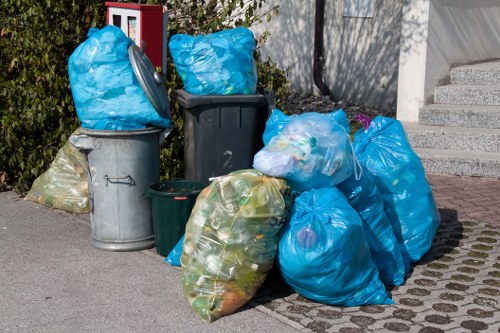
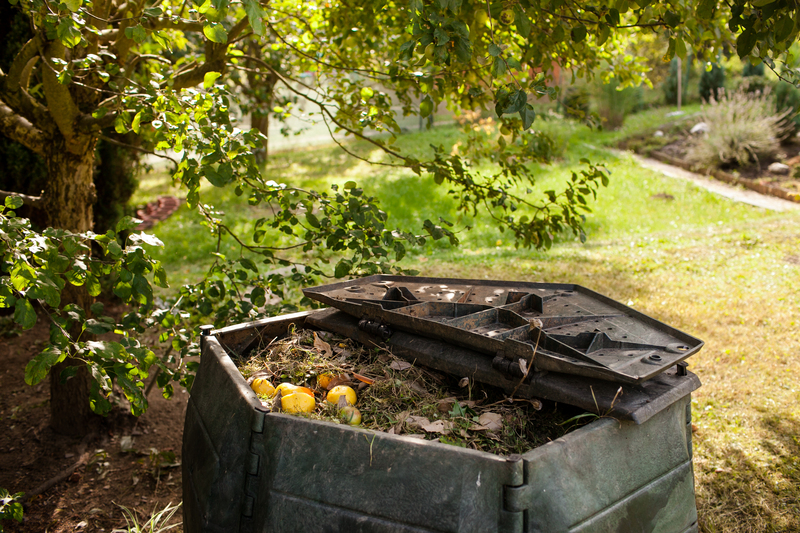
Recycling is an important part of many commercial waste collections because a business often produces a mix of materials, not one single waste type. Cardboard, metal, certain plastics, timber and some electrical items may all need separate handling depending on the load. A practical collection looks beyond simple removal and considers whether items can be sent into a more suitable stream. That makes the service more orderly and gives businesses a better sense of what happens to the material after it leaves the premises.
Recycling and sustainability are not slogans here; they are about making measured decisions with the waste that is actually present. A better-sorted load is easier to process and can reduce unnecessary contamination. Where items are still usable, that may influence the route taken. Where they are not, the material still needs correct disposal. Recycling and sustainability explains the approach in more detail, while what can go in a skip can be a useful reference point for businesses comparing different waste options.
For many customers, the most useful result is not just empty space but a clearer waste routine going forward. Separating cardboard from mixed waste, keeping electricals apart and identifying reusable fixtures all help the collection become more efficient. The exact process depends on the premises and the material, so the plan should always be based on what is present.
Practical Planning for Commercial Collections
Commercial collections work best when the scope is clear before the removal starts. That does not mean creating a long project plan for a small job. It does mean giving enough detail about the items, the location and the access so the collection can be arranged sensibly. For a one-off clearance, useful information usually includes what is being removed, whether it is already gathered together and whether there are stairs, lifts, loading bays or restricted entry points involved.
Two practical steps usually make the process easier. First, separate anything you want to keep from anything due to go. Second, note items that are unusually heavy, fragile or fixed in place, because they may need additional preparation before removal. If you are arranging a broader clearance, photographs can help illustrate the scale, but a written description remains important too. Plain text is enough if you want to request a quotation and are still collecting details. If booking online suits you better, the option is available through the site, and you can follow up once the principal waste items are listed.
Pricing Factors and Service Options

The main factors that shape a quotation are usually the type of waste, the total volume, how easy it is to reach the items and whether any specialist handling is needed. A light office clearance with straightforward access is a different job from a mixed commercial load that includes furniture, appliances and awkward items on upper floors. Clear information about those differences allows the service to be planned honestly, without padded assumptions or vague pricing.
It can also help to think about how the collection should be staged. Some premises need a single visit, while others prefer the work to be split if the waste is spread across rooms or departments. If there are time-sensitive constraints such as building access windows or shared occupancy, mention them early. That makes it easier to shape a service around the site rather than forcing the site to adapt to a rigid routine. For companies comparing options, book online may suit a straightforward request, and contact us is the clearest final step when you are ready to ask for a quotation.
Simple preparation also helps keep prices grounded in the actual work. Grouping items where possible, identifying any specialist waste and making sure access routes are usable can all reduce avoidable delay. The aim is not to overcomplicate the job, but to make the removal accurate, safe and proportionate to the premises.
About Finsbury Park
Finsbury Park is a busy district in north London associated with the large public park of the same name, which opened in the late nineteenth century and remains the area’s best-known landmark. The park itself sits near the meeting point of several roads and neighbourhoods, and it is one of the main reasons the place name is widely recognised. Around it, the area forms part of a densely built urban landscape with a mix of terraces, later apartment buildings, commercial frontages and transport links that connect it to the rest of the city. The name is often used more broadly than the park boundary alone, covering nearby streets and the surrounding district in both Haringey and Islington. Finsbury Park station, on the Victoria line, Piccadilly line and Great Northern routes, is a major interchange that has long shaped movement through the area. The neighbourhood also sits within reach of other well-known north London districts, but it has its own identity through the park, the station and the steady mix of residential and commercial life. The park is used for open-air recreation, informal sport and large events, while nearby streets include shopping parades, food businesses and local services that reflect the area’s continuing urban character. Architectural variety is another feature, with late Victorian and Edwardian housing sitting alongside newer development and transport infrastructure. The result is a place that feels both established and constantly active, with the park providing a visual and social centre to an otherwise dense, transport-led part of the city.
Office Moves, Clean-Outs and Ongoing Waste Support
Office moves and clean-outs often create a final wave of waste that is not quite the same as day-to-day rubbish. Outgoing furniture, redundant IT peripherals, packing materials, archive boxes and miscellaneous items left in storage all need a sensible route out of the premises. We support these jobs by treating them as structured waste clearances, not simply a rushed lift-and-load exercise. That helps keep the work organised when timing matters and the building still has other users.
Some businesses need only a one-time clearance, while others benefit from an ongoing waste arrangement for routine accumulation. The right choice depends on how the premises operate and how quickly waste builds up between collections. Where trade waste is regular, a consistent approach can reduce clutter and make the workplace easier to manage. Where the job is seasonal or tied to a move, a single planned collection may be the better fit. If you are comparing service options, business waste removal is a practical starting point, and office clearance can help when the work centres on desks, chairs and workplace contents.
For a straightforward enquiry, keep the description practical: what needs to go, where it is, and whether there are access constraints. That is usually enough to move from general interest to a proper quotation without unnecessary back-and-forth.
More Ways We Handle Commercial Waste
Commercial waste jobs vary widely, so a useful service often needs to cover several related kinds of clearance rather than only one narrow task. Depending on the premises, we may be asked to remove mixed rubbish, furniture, appliances, archive materials, workshop debris or the contents of a space being reconfigured. The common thread is practical removal with sensible sorting, so the load is dealt with in a way that suits the materials present.
Where a business needs broader site support, related pages can help define the right type of clearance. Waste removal gives a wider overview, while builders waste clearance is relevant when refurbishment debris has been left behind. If the job is more specific, confidential shredding may be useful for sensitive paperwork, and payment and security explains the practical side of arranging a job with confidence. About us can provide context about the business behind the service, but the main purpose here is to help you identify the right clearance and then request a quotation.