Local Finsbury Park N4 rubbish removal for fast clearouts
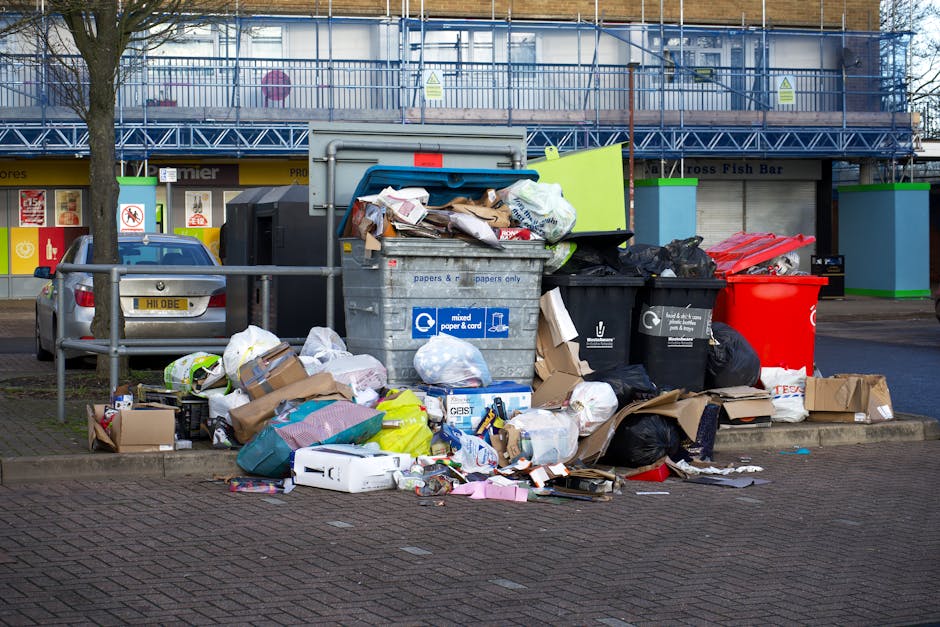
If you need Local Finsbury Park N4 rubbish removal for fast clearouts, you probably need it sooner rather than later. Maybe the flat is overflowing after a move, maybe the office has stacked-up junk in the corridor, or maybe building work has left dust, timber, and broken bits everywhere. Whatever the reason, the goal is usually the same: get the space back quickly, safely, and without turning the day into a full-blown headache.
That is where a local, well-organised rubbish removal service makes a real difference. Fast clearouts are not just about speed. They are about planning, access, sorting items properly, handling awkward waste, and making sure nothing ends up dumped in a way that creates problems later. In a busy part of North London like Finsbury Park, that practical side matters more than people think.
This guide walks through how fast rubbish removal works, who it suits, what to watch out for, and how to choose the right approach for your property or business. If you want a clean result without unnecessary drama, you are in the right place.
Why Local Finsbury Park N4 rubbish removal for fast clearouts Matters
Local rubbish removal is not a luxury when a space is unusable. It is often the quickest way to stop clutter turning into stress. In Finsbury Park N4, homes and workplaces tend to have a mix of tight access, shared entrances, stairs, busy streets, and limited parking. That changes how a clearout needs to be handled. A team that understands the area can plan for collection timing, access points, loading, and the little delays that can otherwise eat up half a day.
Truth be told, rubbish becomes more than rubbish once it starts blocking your path, attracting dust, or making it difficult to use a room properly. A spare room can turn into a storage zone. A shop back area can become impossible to manage. A loft can become one of those places you avoid opening because, well, you know what is waiting up there.
Fast clearouts also matter because the longer waste sits around, the more likely it is to create secondary problems: trip hazards, poor presentation, pests, damp around stored items, or friction with neighbours and staff. If you are trying to move, rent out, refurbish, or simply breathe easier, removing waste quickly is often the first sensible move.
For many people, the benefit is emotional as much as practical. A cleared room feels lighter. You notice the floor again. Sound carries differently. The place stops feeling stuck.
How Local Finsbury Park N4 rubbish removal for fast clearouts Works
Most fast clearouts follow a fairly simple pattern, even if the job itself looks messy from the outside. The key is the order of operations. Good rubbish removal is organised, not improvised.
First, the items are assessed. That can happen through photos, a short call, or an on-site visit depending on the size and complexity of the job. The main aim is to understand what needs removing, whether anything is awkward or heavy, and whether there are special items like appliances, old furniture, or materials that need extra care.
Next comes planning. This is where local knowledge helps. A narrow stairwell, a top-floor flat, or a front garden full of branches all change how the collection should be handled. In many cases, the crew will decide how many people are needed, what vehicle size makes sense, and how long the job is likely to take. Fast does not mean rushed. It means prepared.
Then the removal begins. Items are lifted, sorted, and loaded. Reusable or recyclable material is usually separated where possible. If the waste includes specialist items, those may be handled differently. For example, fridge and appliance removal often needs a more careful approach than general junk, and some loads may involve hazardous waste disposal rules or restricted handling.
Finally, the area is tidied. That last sweep matters more than people expect. A proper clearout should leave the space usable, not just less full. Small debris, loose packaging, and dust are removed where part of the agreed service. If you have ever looked at a "finished" room and thought, well, that is not exactly finished, you will know why this step matters.
Key Benefits and Practical Advantages
The biggest advantage of local rubbish removal is speed, but that is only the headline. The real value comes from how speed and practicality work together.
- Faster turnaround: You can reclaim space quickly instead of waiting for a skip permit, multiple trips, or a weekend of lifting.
- Less disruption: A well-run clearance keeps mess contained, which is especially useful in flats, shared buildings, and offices.
- Safer handling: Heavy or awkward waste is moved by people who know how to do it without causing damage.
- Better sorting: Good providers separate items for reuse, recycling, or specialist disposal where appropriate.
- Flexible for mixed loads: You can often combine furniture, household clutter, renovation debris, and garden waste in one clearout.
There is also a practical money angle. While cost depends on the amount and type of waste, many people find that one efficient collection is better value than stretching the job out over several days. Not always, but often enough to be worth comparing.
For homeowners, the benefit may be preparing a property for sale or end-of-tenancy. For businesses, it could be about keeping a back office tidy or removing bulky stock before it starts affecting day-to-day operations. For landlords or letting agents, a fast clearance can help keep void periods short. That part matters, because empty time costs money too.
And then there is peace of mind. A clean clearout plan is strangely calming. Not glamorous, no. Useful? Absolutely.
Who This Is For and When It Makes Sense
Fast rubbish removal in Finsbury Park N4 suits a lot more people than you might first think. It is not only for emergency mess or post-renovation chaos.
You may need it if you are:
- moving out and need to clear unwanted items quickly
- dealing with a flat clearance after a tenancy ends
- refreshing a house, loft, garage, or spare room
- removing office furniture or archived clutter
- tidying after decorating or light building work
- clearing garden waste after pruning or landscaping
- getting rid of old furniture, mattresses, or appliances
It also makes sense when access is awkward. A tall staircase, no lift, a narrow hallway, or a shared entrance can make DIY disposal more time-consuming than expected. In a local terrace, estate flat, or small commercial unit, every extra trip matters.
Small business owners often use rubbish removal when stockroom clutter starts eating into usable space. Restaurant back areas, salons, clinics, and offices all have their own version of the same problem: stuff accumulates quietly until one day it is suddenly in the way. Happens all the time, honestly.
For a broader property clearout, services such as house clearance, home clearance, office clearance, or garage clearance may be more suitable than a basic one-off collection. Choosing the right type of service saves time and avoids confusion on the day.
Step-by-Step Guidance
If you want the clearout to run smoothly, the best thing you can do is prepare properly. You do not need to become an expert. Just follow a sensible sequence.
- Identify exactly what needs to go. Walk through the property and list the waste by room or area. Separate general rubbish from bulky items, recyclables, and anything that may need specialist handling.
- Check access. Measure if needed. Note stairs, lifts, loading restrictions, parking concerns, and any gate codes or shared entrances. The more local the job, the more useful this is.
- Set aside anything you want to keep. This sounds obvious, but it is where many clearouts go sideways. Create a "keep" zone and make it clear.
- Ask about item types. If there are appliances, mattresses, sofas, confidential documents, or potentially risky materials, mention them early. That helps avoid delays and wrong assumptions.
- Choose a suitable service. General rubbish removal is fine for mixed household clutter, but if your load is mostly furniture, builders' debris, or garden cuttings, a more specific service can be more efficient.
- Confirm timing and pricing details. Read the quote carefully. Check whether labour, loading, recycling, and disposal are included. Nobody likes surprise add-ons. Not one bit.
- Make the area as easy to work in as possible. Move fragile objects out of the way, unlock access routes, and keep children or pets safe during the removal.
- Review the result before the team leaves. A quick check at the end is worth doing. Look for missed areas, broken packaging, or any item that was supposed to remain.
If your clearout is tied to a bigger project, such as renovation or redecoration, services like builders waste clearance can be a better fit than general waste removal. That is one of those small distinctions that saves time later.
Expert Tips for Better Results
Over time, the jobs that go smoothly usually have a few things in common. They are not fancy. They are just properly prepared.
Tip 1: Group items by material where you can. It is easier to handle mixed loads when similar items are together. Cardboard, metal, wood, fabric, and general clutter can often be organised in advance, even if the final loading is done by the removal crew.
Tip 2: Keep a photo record before the collection. This is especially useful for landlords, agents, and business owners. A quick set of photos helps everyone stay clear on what is being removed. Simple, but very handy.
Tip 3: Be honest about volume. Understating the load usually causes delays. If you are unsure, describe the pile in everyday language: "half a garage," "one room full," or "a few bulky items plus bags." That is often more useful than trying to guess litres or cubic yards.
Tip 4: Think about timing. Midweek collections can be easier for access in some parts of London. Early morning slots sometimes work best if you want to minimise disruption. Then again, the right time is often the time that suits the property and the neighbours.
Tip 5: Use the right service for the waste type. A sofa load is not the same as a shed full of hedge cuttings. For upholstery and bedding, mattress and sofa disposal may be the better route. For outdoor waste, garden clearance keeps the job focused.
Tip 6: Ask how recycling is handled. Reputable providers should be able to explain their sorting and disposal approach in plain English. If the answer is vague, that is a small warning light.
Common Mistakes to Avoid
Fast clearouts can go wrong in very ordinary ways. Nothing dramatic. Just avoidable.
- Leaving access planning too late. A van that cannot park close enough can turn a simple job into a long one.
- Mixing keep items with waste. Once items start moving, confusion spreads quickly.
- Forgetting specialist items. Fridges, certain appliances, and potentially hazardous waste should never be treated as ordinary rubbish.
- Choosing solely on headline price. A cheap quote that excludes labour, sorting, or disposal can cost more in the end.
- Ignoring building rules. Some flats and managed blocks have specific loading or parking expectations. It is worth checking.
- Waiting until the pile becomes unmanageable. That is a common one. If a room is already half-blocked, the job will naturally take longer.
Another mistake? Assuming every clearance service is identical. It is not. A general waste removal job, an office empty-out, and a furniture disposal task each have their own practical quirks. Ask questions early. Saves bother.
Tools, Resources and Recommendations
You do not need specialist equipment to prepare for rubbish removal, but a few simple tools make the process much easier.
- Strong bin bags and boxes for loose clutter
- Marker pens and labels for keep/toss sorting
- Gloves for sharp edges, dust, and rough materials
- Tape measure if access is tight
- Phone camera for photos before the collection
- Old sheets or dust covers to protect areas you are keeping clear
If you want to understand what a mixed load may include, it can help to review guidance such as what can go in a skip. Even if you are not using a skip, the same broad idea applies: different waste types need different handling, and not everything can be thrown together without checking.
For pricing clarity, a page like pricing and quotes can help you understand what a proper quote should cover. If you are booking online, book online is the obvious starting point. For anything that needs a more detailed conversation, the contact us page is there as well.
If you are comparing providers, also look at how they talk about recycling and sustainability. You do not need a lecture. Just a clear explanation of what gets reused, recycled, or safely disposed of.
Law, Compliance, Standards, or Best Practice
Waste removal in the UK is not something you want handled casually. Even for a simple household clearout, there are normal expectations around duty of care, safe loading, correct sorting, and responsible disposal. If a provider seems vague about where waste goes, that is not ideal.
For residents and businesses in Finsbury Park N4, the safest rule is straightforward: use a service that understands waste types and can handle them properly. That includes general rubbish, bulky waste, furniture, electrical items, and any material that needs extra care. It also means not leaving bags or items on the street without agreement or proper arrangements. Common sense, really, but worth saying.
For business customers, keeping records of removals can be sensible, especially where the waste includes confidential material or office equipment. A dedicated service such as confidential shredding may be appropriate when paperwork and data-bearing materials need careful treatment. In a small office, it is easy to forget just how much personal information is tucked into old files and printouts.
Health and safety also matters. Heavy lifting, broken furniture, sharp edges, damp materials, and cluttered access all create risk. Good practice means planning the lift, using suitable equipment, and not sending one person to wrestle a wardrobe up three flights of stairs like it is a reality show challenge.
It is also sensible to check service terms before booking. Pages such as terms and conditions, health and safety policy, insurance and safety, and payment and security are useful trust signals because they show the operator has thought beyond the truck and the bins. That matters.
Options, Methods, or Comparison Table
There is no single best way to clear rubbish. The right method depends on volume, access, timing, and what you are trying to achieve.
| Method | Best for | Strengths | Possible drawbacks |
|---|---|---|---|
| Professional rubbish removal | Fast mixed clearouts, bulky items, limited access | Quick, hands-off, flexible, good for awkward jobs | May cost more than doing it yourself on paper |
| Skip hire | Longer projects with steady waste accumulation | Good for ongoing renovation waste, simple container-based disposal | Requires space, may need permits, loading is your responsibility |
| Multiple DIY trips | Small volumes and plenty of free time | Flexible if you already have transport | Slow, tiring, and often less practical in urban areas |
| Specialist clearance | Furniture, appliances, lofts, garages, offices, or builders' waste | More targeted handling and often better efficiency | Requires clearer description of the items |
If the job is mostly bulky household items, a targeted service like furniture clearance can be more efficient than a general rubbish job. If it is an end-of-tenancy space with mixed clutter, flat clearance may fit better. Small choice, big difference.
Case Study or Real-World Example
Picture a typical Friday afternoon in N4. A tenant has moved out of a two-bedroom flat near a busy road, and the last thing left behind is a mix of broken shelving, a mattress, a couple of chairs, bagged clutter, and a fridge that needs careful handling. The hallway is narrow, the stairwell is shared, and the building manager wants the area cleared before the weekend.
In that situation, the fastest route is not to start with guesswork. It is to list the items, note the access, confirm what needs special handling, and book the right service type. The removal team arrives with a plan, moves the bulky pieces first, separates what can be recycled, and clears the remaining bags in a controlled way. By the end, the flat is empty enough for cleaning and handover, and the corridor is back to normal. Quiet again. That matters in a shared building.
Another common example is a small office. You know the sort: two desks nobody uses, a line of old chairs, cardboard boxes, archived files, and one printer that has been "temporarily" parked in the corner for six months. A focused collection stops the clutter from creeping into daily work. Staff can move properly, fire exits stay clearer, and the space looks presentable to clients. Not glamorous, but very effective.
Practical Checklist
Use this before your collection to keep things simple.
- List all items that need removing
- Separate keep items from waste
- Check stairs, lifts, gates, and parking access
- Note any heavy, sharp, fragile, or awkward items
- Flag appliances, mattresses, sofas, or specialist waste
- Confirm the preferred collection time
- Ask what is included in the quote
- Protect anything that is staying in the property
- Keep children and pets away during loading
- Do a quick final walk-through after the job is done
Expert summary: the best fast clearouts are the ones that feel calm from the beginning. A bit of preparation, a clear idea of what is going, and a service that knows how to handle mixed waste properly can save a surprising amount of time and effort. The whole thing becomes less of a scramble, more of a reset.
Conclusion
Local rubbish removal in Finsbury Park N4 is at its best when it is fast, careful, and properly matched to the job. Whether you are clearing a flat, a loft, a garage, an office, or a property after work has been done, the aim is not just to get rid of waste. It is to restore order without making the day harder than it needs to be.
Once you understand what you are removing, how access works, and which service fits best, the whole process becomes much simpler. And that is really the point. Less clutter. Less stress. A space that feels usable again.
Get a free quote today and see how much you can save.
If you are ready to make the clearout easier, take a moment to compare your options, choose the right service, and book a slot that works for your schedule. A tidy space has a way of improving everything else around it, even if just a little. Sometimes that is enough to shift the whole day.
Frequently Asked Questions
What counts as rubbish removal for a fast clearout?
It usually means collecting unwanted household, office, or bulky waste quickly and safely, then loading and disposing of it in a responsible way. It is especially useful when you want the space cleared with minimal fuss.
Is local rubbish removal better than hiring a skip in Finsbury Park N4?
It depends on the job. Rubbish removal is often better for speed, awkward access, and mixed loads. Skip hire can suit longer projects where waste builds up over time. If you need the space back fast, removal is often the simpler choice.
Can I combine furniture, bags of clutter, and appliances in one clearout?
Often yes, but appliances and certain bulky items may need special handling. It is always better to mention everything upfront so the job can be planned properly.
How do I know if my waste needs specialist disposal?
If it includes fridges, electrical items, mattresses, sofas, confidential paper, or anything potentially hazardous, mention it early. Those items may need separate handling or a specific service.
Will the team clear waste from upstairs flats?
Usually yes, but access details matter. Stairs, lifts, narrow landings, and shared entrances should be explained before booking so the right team and timing can be arranged.
What should I do before the removal team arrives?
Separate what is staying, make access easy, and point out anything fragile or restricted. A few minutes of preparation can save a lot of back-and-forth later.
How much does rubbish removal cost?
Costs vary depending on volume, type of waste, access, and the time needed. The most useful quote is one that explains what is included, rather than just showing a headline price.
Is it safe to leave rubbish in a communal hallway before collection?
Usually not a good idea. It can block access, create trip hazards, and cause issues with neighbours or building management. Keep items in a designated area until collection day.
What happens to the waste after it is collected?
Responsible providers sort items for reuse, recycling, or proper disposal where appropriate. The exact route depends on the waste type and condition of the materials.
Can I book rubbish removal for a small job, like a few bulky items?
Yes. Small clearouts are common, especially when the items are awkward or too heavy to move alone. A few pieces can still be worth collecting if they are blocking useful space.
Do I need to sort everything before booking?
No, not necessarily. Basic sorting helps, but a good removal service can usually handle mixed loads. The main thing is to be clear about what is going and whether any items need specialist handling.
What is the best way to prepare for a same-day clearout?
List the items, secure access, keep all items together if possible, and send clear photos or a simple description. Same-day jobs move faster when the details are obvious from the start.
Where can I learn more about the company before booking?
You can review the company's about us page, service pages, and policies such as insurance and safety and recycling and sustainability to get a better feel for how things are handled.